
Trying to choose the best payment processor for small business can be overwhelming and confusing for entrepreneurs. Small business owners have a lot to consider. They may be worried about getting hit with high fees, deposits that take forever, or having limited options when it they need to be able to accept payments in many different ways.
Cash currently is responsible for only 14 percent of all payments made in the United States. This means most payments are being made through cards or mobile payment apps. Small businesses need reliable payment processing services that can provide an excellent customer experience, while also accomodating for the many types of payments they plan on accepting.
In this post, we’ll look into what you should look for in a credit card processor or merchant account provider. We’ll talk about how transaction fees work, how quickly your deposits should be showing up in your checking account, and which tools can support businesses of all sizes as they grow.
Keep reading to find out which processor will boost your profit margins and get you paid faster.
Key Takeaways
Most payments in the US are now completed using cards or digital wallets. Cash makes up only 14% of modern day transactions.
Popular processors all offer different fee structures. These transaction fees usually range between 1.5% an 3.5% plus a flat amount per sale.
To maintain a good cash flow, you’ll need access to your deposits fast. Some providers like Elite Merchant Services offer same-day funds if you qualify for their program. Other services may take up to four business days.
PCI DSS compliance and fraud alerts serve to protect your customer’s data and also prevent chargebacks.
The best processor will depend on your unique needs. Before committing to a provider, always review the contract terms in detail as well as any possible hidden fees before choosing one.
Why Small Businesses Need the Right Payment Processor
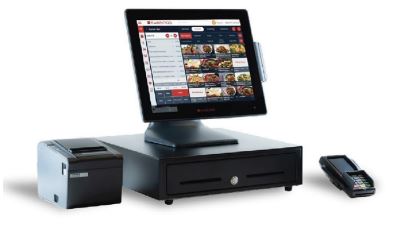
Choosing the right payment processor will directly affect your cash flow on a day to day basis, so it’s important to get it right. Additionally, having a smooth checkout experience can increase customer satisfaction and may even encourage repeat business.
Impact on cash flow
Your payment processing solution is the main factor that will determine how quickly your small business will get paid. Standard payment systems usually take between 1 and 4 business days for your cash to settle into your business bank account. You can see how this can easily affect your daily cash flow management.
You’ll want to look for a provider that offers a quick setup and fast onboarding so you can begin to process payments and access your funds as soon as possible. This step is vital for new businesses that need to get moving and gain liquidity fast.
Some merchant account providers will allow the release funds on the same day a customer pays, but many times there’s a catch. You’ll have to use their financial institution and also pay a monthly fee of around $9.95 or more to access online payment options.
Dedicated merchant accounts require a lengthier setup but give you more control over credit card transaction approvals and transfer speeds. Aggregate accounts can be set up faster but there is a higher risk of experiencing a hold or freeze on your account, and possibly higher transaction fees.
With the right payment company, you can avoid cash delays caused by slow approval processes or hidden fees. This will help you maintain steady cash flow so you can cover your day to day costs quickly and easily.
Customer experience and checkout speed
Some processors offer one-click checkout options which may improve your conversion rates and minimize cart abandonment. Customers will also complete their payment information faster, likely leading to more sales for your business.
Look for providers that accept a large number of currencies. By making payment acceptance simple and easy for international shoppers, you’re automatically boosting customer satisfaction.
You may want to also invest in a point-of-sale system that allows you to process in-person transactions using chip cards. These systems also process contactless payment methods like Apple Pay and Google Pay.
Being able to accept multiple types of payments including credit card payments, e-commerce payments, Venmo, and gift cards will keep your checkout process smooth for every customer.
Security and fraud protection
Some processors like Elite Merchant Services use advanced fraud detection tools and 24/7 support to keep your business accounts safe. Encryption, PCI DSS compliance, and regular point of sale updates can lower the risk of fraud occuring during debit card transactions and in-person payments.
All businesses can benefit from security features like an Address Verification Service, two-factor authentication, and account monitoring to catch potential fraud early on. 3D Secure is another feature that can protect businesses selling on e-commerce platforms.
Scalability as the business grows
Security and fraud prevention will dictate a business’s growth. As your business expands, its scalability plays an important role. Growing companies might look for providers that offer features like volume discounts and zero monthly fees that will benefit them greatly.
Look for providers that support many currencies and payment methods, which is essential for expanding internationally. Make sure they offer some technical support and good customer service. It may also be beneficial to invest with a provider that is able to accommodate subscription-based models if this is relevant to your product offerings.
Key Factors to Consider When Choosing a Payment Processor
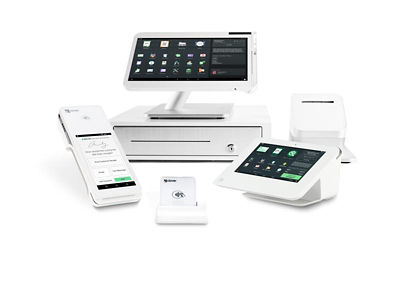
Selecting a payment processor involves evaluating a lot of important features and benefits. Ensuring your processor works seamlessly with your systems and also fits into your budget is critical to your future growth.
Transaction fees and pricing models
Understanding transaction fees, setup fees, and pricing models are an essential part of selecting a payment processor. These ongoing costs will affect your bottom line and overall financial health. Watch out for hidden costs when researching a new processing provider.
Many payment processors charge transaction fees that fall between 1.5%–3.5% plus a fixed charge for every transaction.
Flat-rate models can simplify billing, although they may result in slightly higher costs for businesses that are low-volume.
Interchange-plus pricing models display the true cost of every transaction with a markup. This model is more transparent and offers a better rate for businesses that sell at higher volumes.
Monthly fees can range anywhere from $0 up to $199 or beyond. This is based on the included features and hardware.
When evaluating pricing models and processing rates, keep in mind your average transaction size, sales volume, and preferred payment methods.
Ease of use and integration
When choosing a payment platform you’ll need to consider the ease of use and integration with your existing systems. You’ll want a simple setup that supports a large number of currencies, especially if you run an online business.
Cloud-based point-of-sale solutions work well for businesses like restaurants, retail, and services. Some offer customization options through their mobile app market.
By picking the credit card processing company with features that prioritize your needs, small businesses can guarantee efficient operations while also improving the customer experience during checkout.
Support for multiple payment methods
Flexibility is key when running a small businesses. Being able to accept multiple payment methods will quickly boost your customer satisfaction and increase your sales.
Your payment processor should allow you to accept a large range of cards, as well as Apple Pay, Google Pay, PayPal, Venmo, ACH payments, and a variety of other payment methods including gift cards. Being flexible in this area makes it fast and convenient for your customers to checkout, locally, and internationally.
Those that have the option for setting up subscription services for recurring payments can improve your business’ cash flow. This also establishes some financial predictability for service-based businesses who make much of their income from memberships or subscriptions.
Having the ability to accept various payment methods is not just beneficial but essential in today’s competitive landscape of merchant services.
A Provider You Can Depend On
Knowing how to choose the right payment processor for your small business is essential for your financial success. You need to consider transaction fees, ease of use, and customer support. Each of these factors will impact your cash flow and customer experience.
Consider how each provider can enhance your business. Research popular providers to find the best competitive rates. Call or message Elite Merchant Services today to learn more about our payments solutions for small and large businesses, just like yours!
FAQs
Small businesses should consider their business needs in order to choose the right payments solutions. Look for competitive rates on merchant fees, good reporting tools and data security, reliable customer support, and next business day funding if possible.
Payment processing fees and interchange fees can cut into your profits fast. Choose a provider that has a transparent service fee structure and offers same day funding for better cash flow.
Yes, many financial institutions provide payment links for e-commerce websites. These payment tools make it simple to accept payments from customers anywhere in the world.
Employing effective risk management protocol will protect sensitive client data and reduce the risk of fraud. The best payment processors invest in advanced data security measures tailored for professional services.
Having quick and responsive customer support can help resolve issues quickly, and keeps your business running smoothly.